Personal service & quality clothing since 1884


A Buzzing Chelsea Window
• Sarah Stacey
This week is the RHS Chelsea Flower Show, a celebration of horticultural excellence, creativity, and innovation. The show began in 1862 as the Great Spring Show and was initially held in Kensington. It moved to its current location at Chelsea in 1913. It's regarded as the most famous flower and landscape garden show in the UK drawing gardeners, horticulturists, and visitors from across the globe. Our Womenswear Manager, Felicity, is a huge fan of Chelsea having visited many times before and she always enjoys styling a Chelsea window for us. This year our Chelsea window is all about bees.
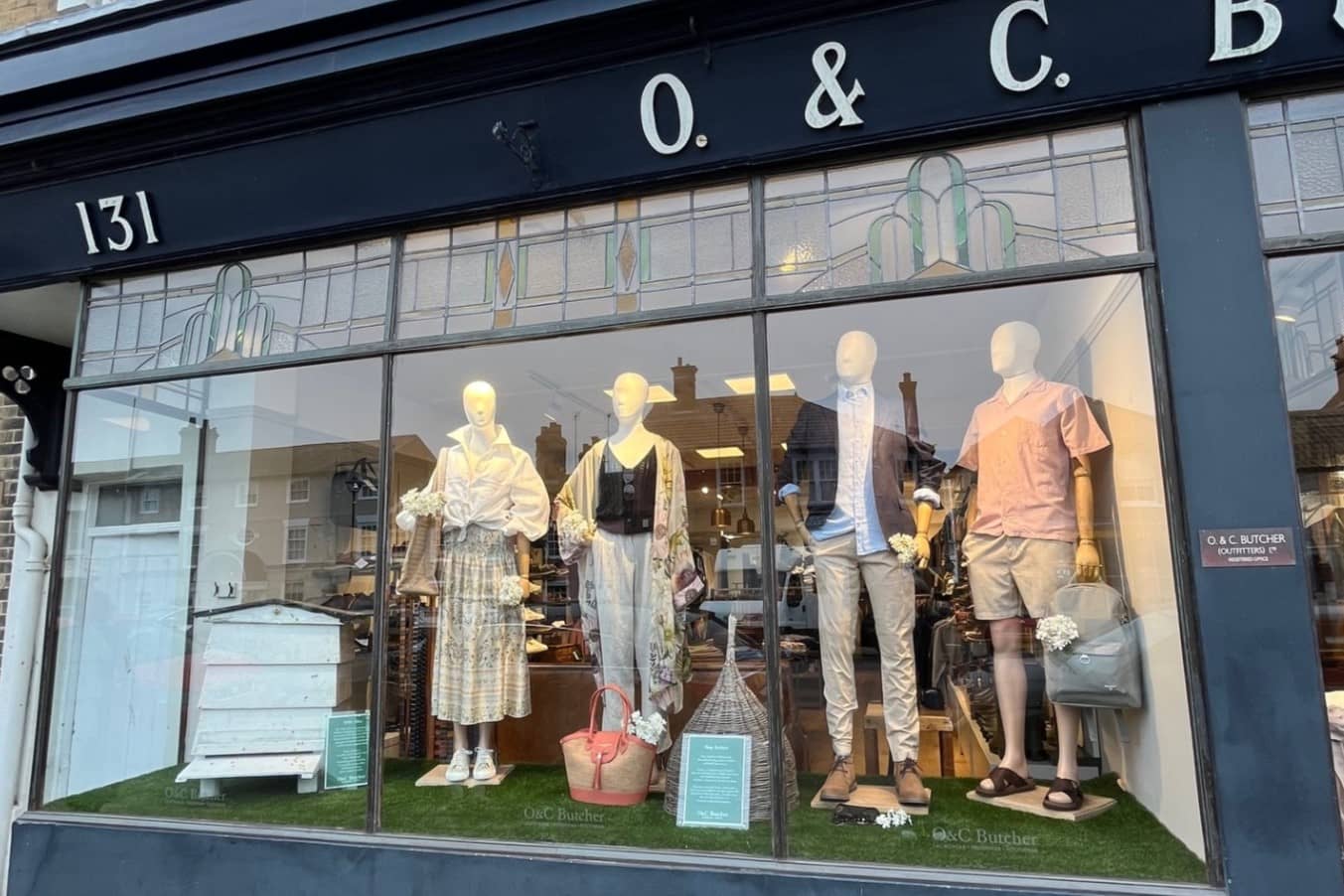
Bees play a vital role in ecosystems, pollinating approximately 75% of the world’s flowering plants and about 35% of the world’s food crops, including fruits, vegetables, and nuts. You'll find some amazing facts about bees at the end of the this blog.
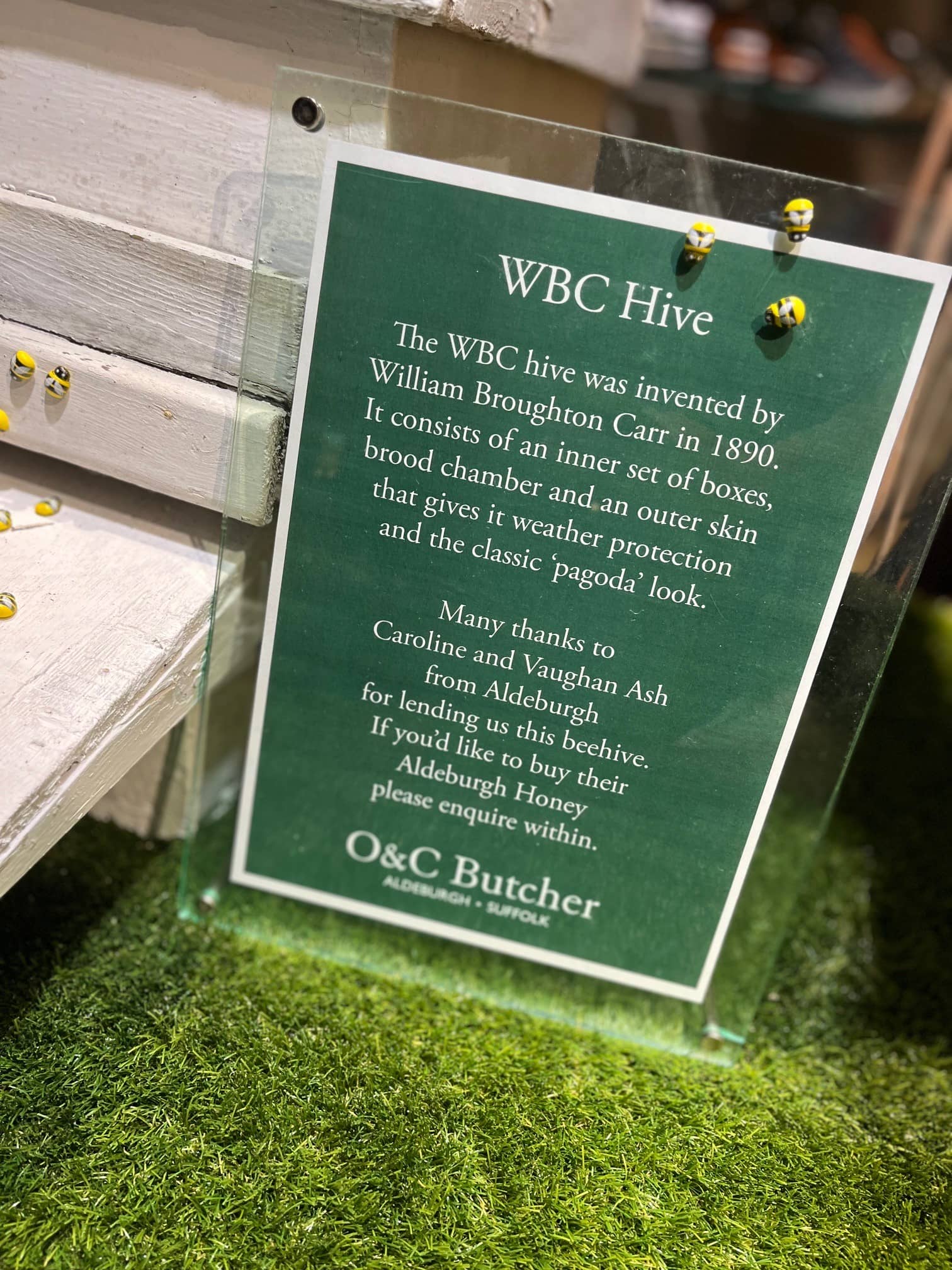
We have very kindly been leant two different types of bee hives for our window by local residents. One hive is the pagoda shape of hive that you tend to imagine when you think of a beehive, it's called a WBC Hive and was invented in 1890 by William Broughton Carr. The one in our window was leant to us by Caroline and Vaughan Ash who keep hives in Aldeburgh and sell very tasty jars of their honey.
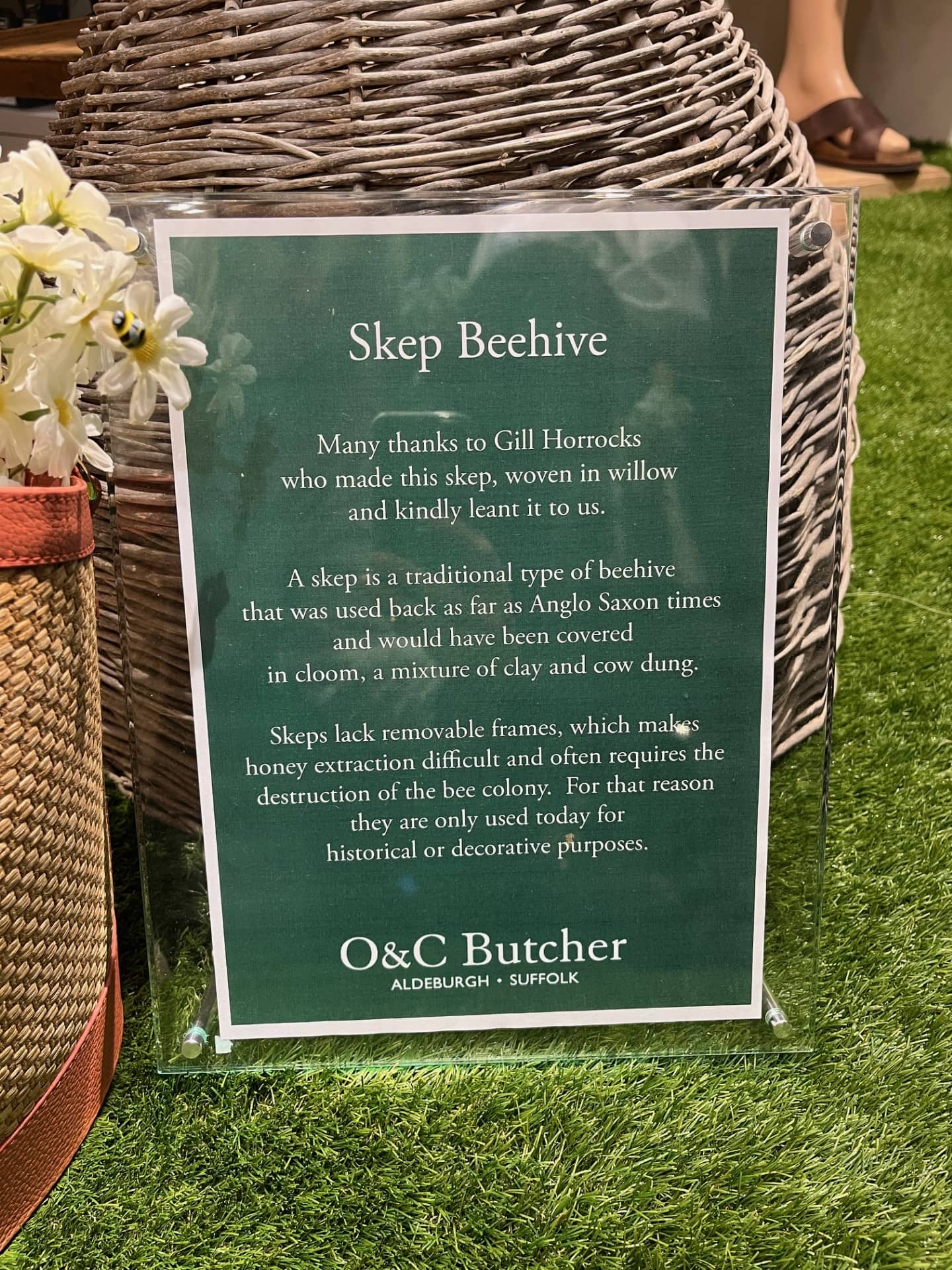
The other is a Skep Beehive. This was woven by local resident Gill Horrocks. A Skep is a traditional type of beehive that was used as far back as Anglo Saxon times. They don't have removable frames like the more contemporary styles so this meant that the bee colony were often destroyed in order to extract the honey. For that reason they are rarely used today. You can have a closer look at the hives in the window images below.
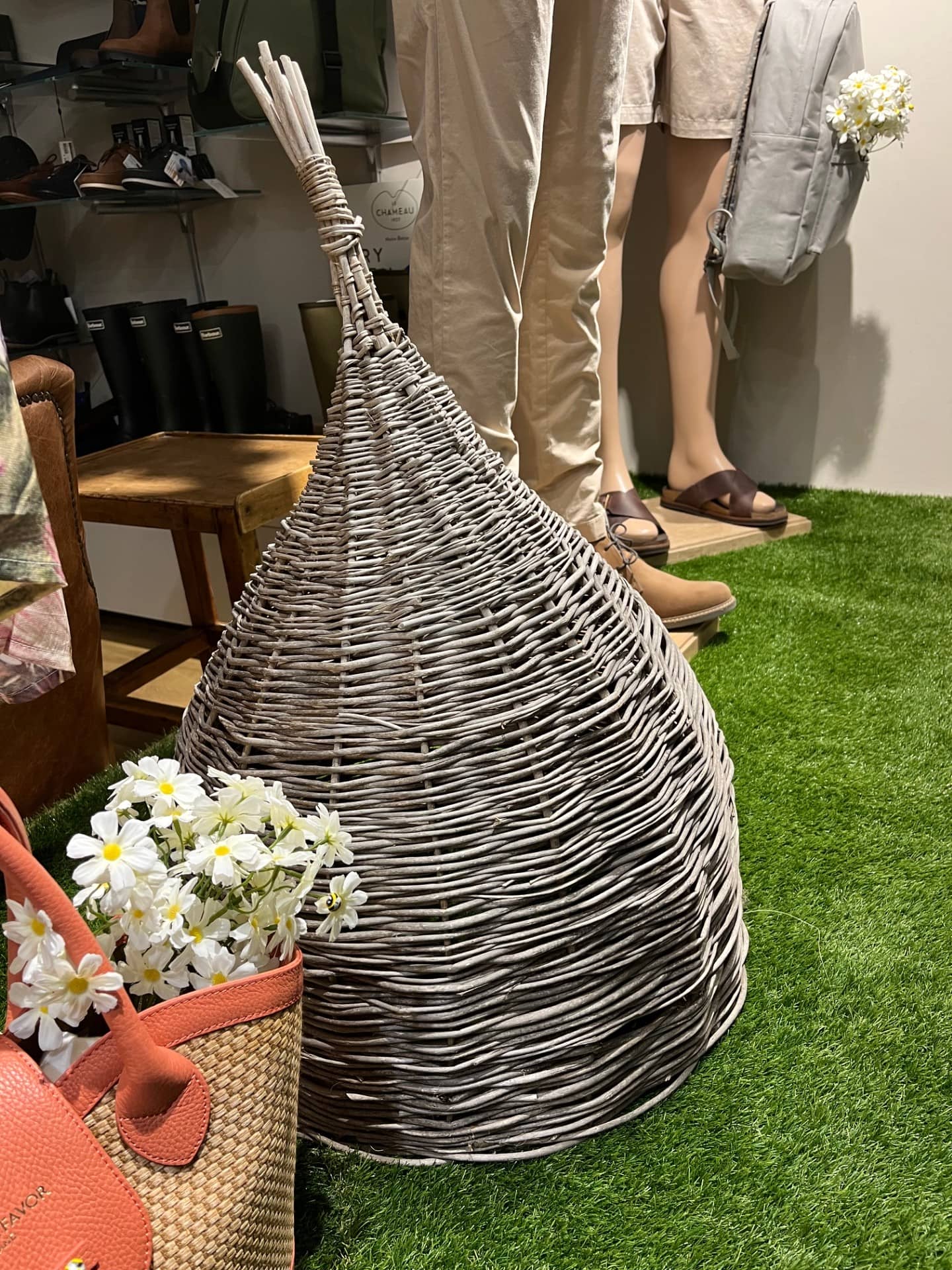
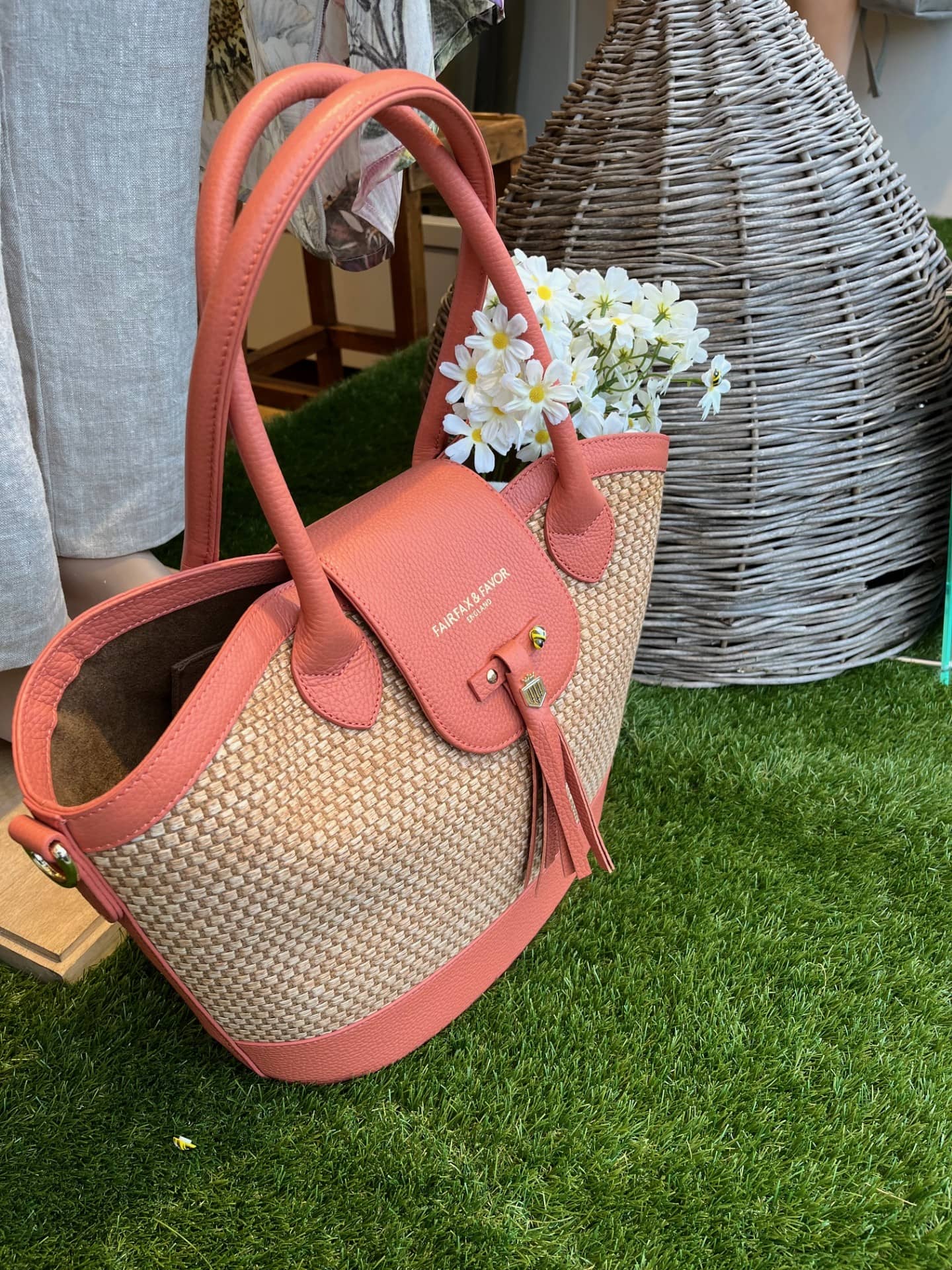
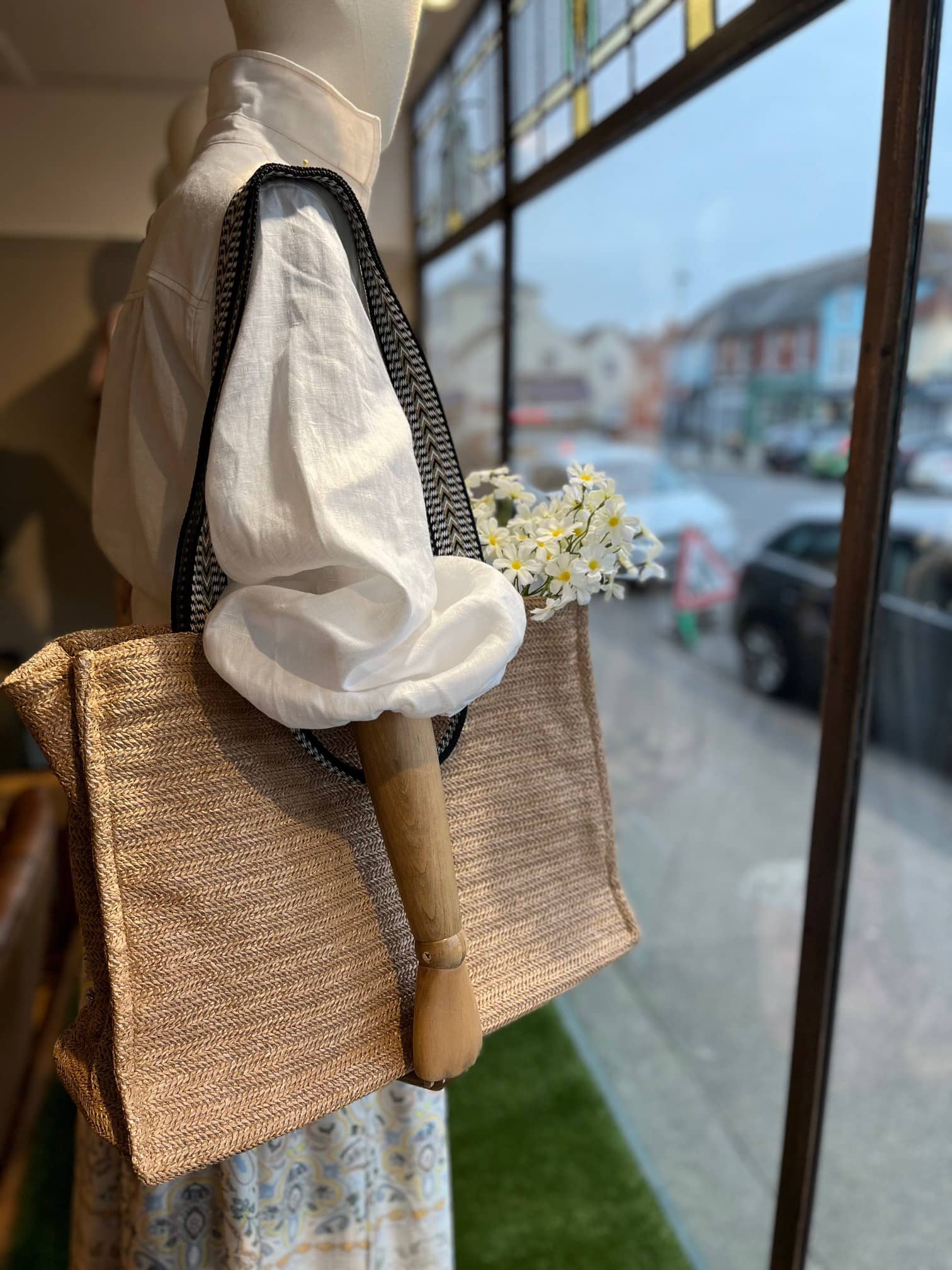
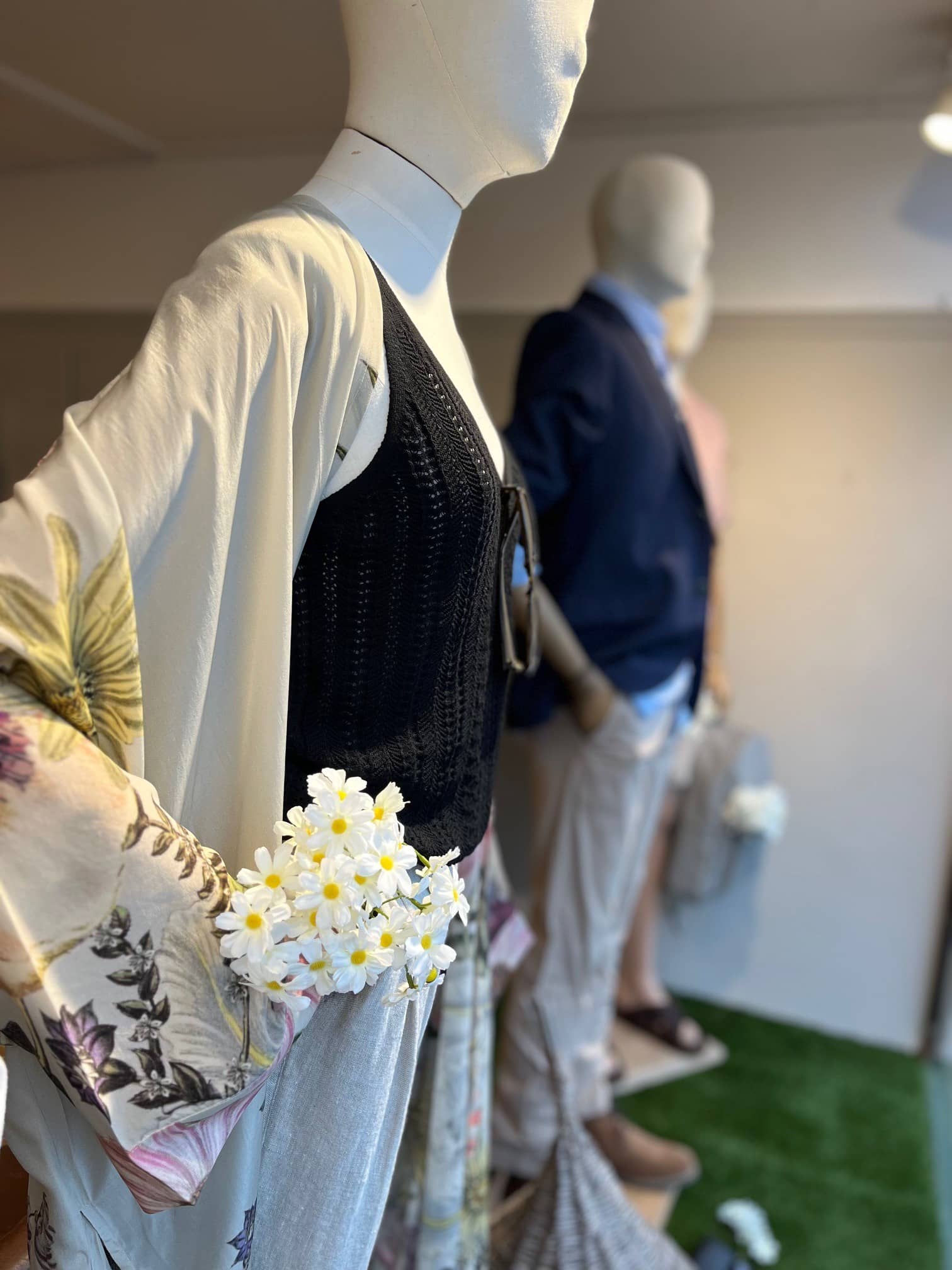
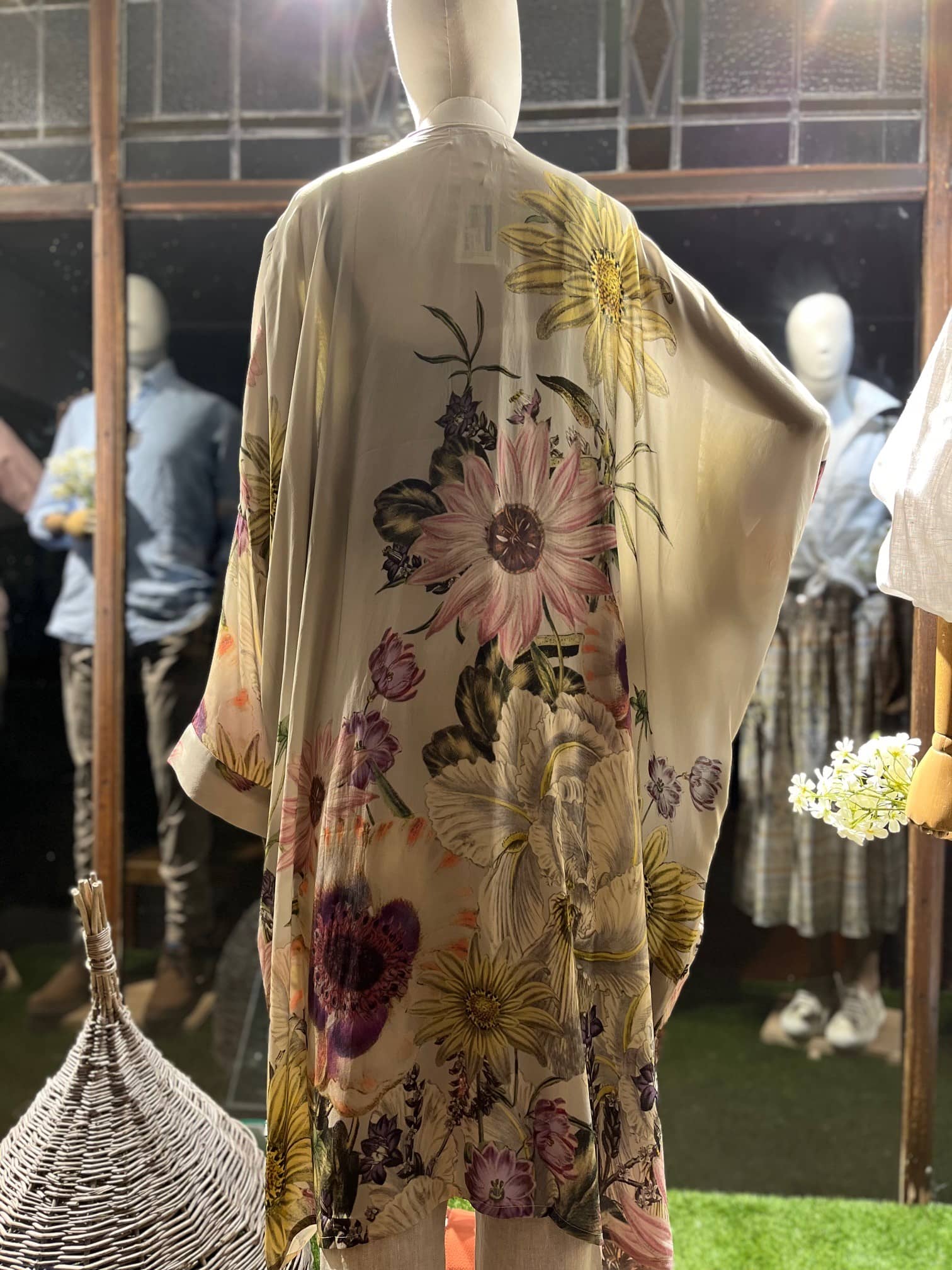
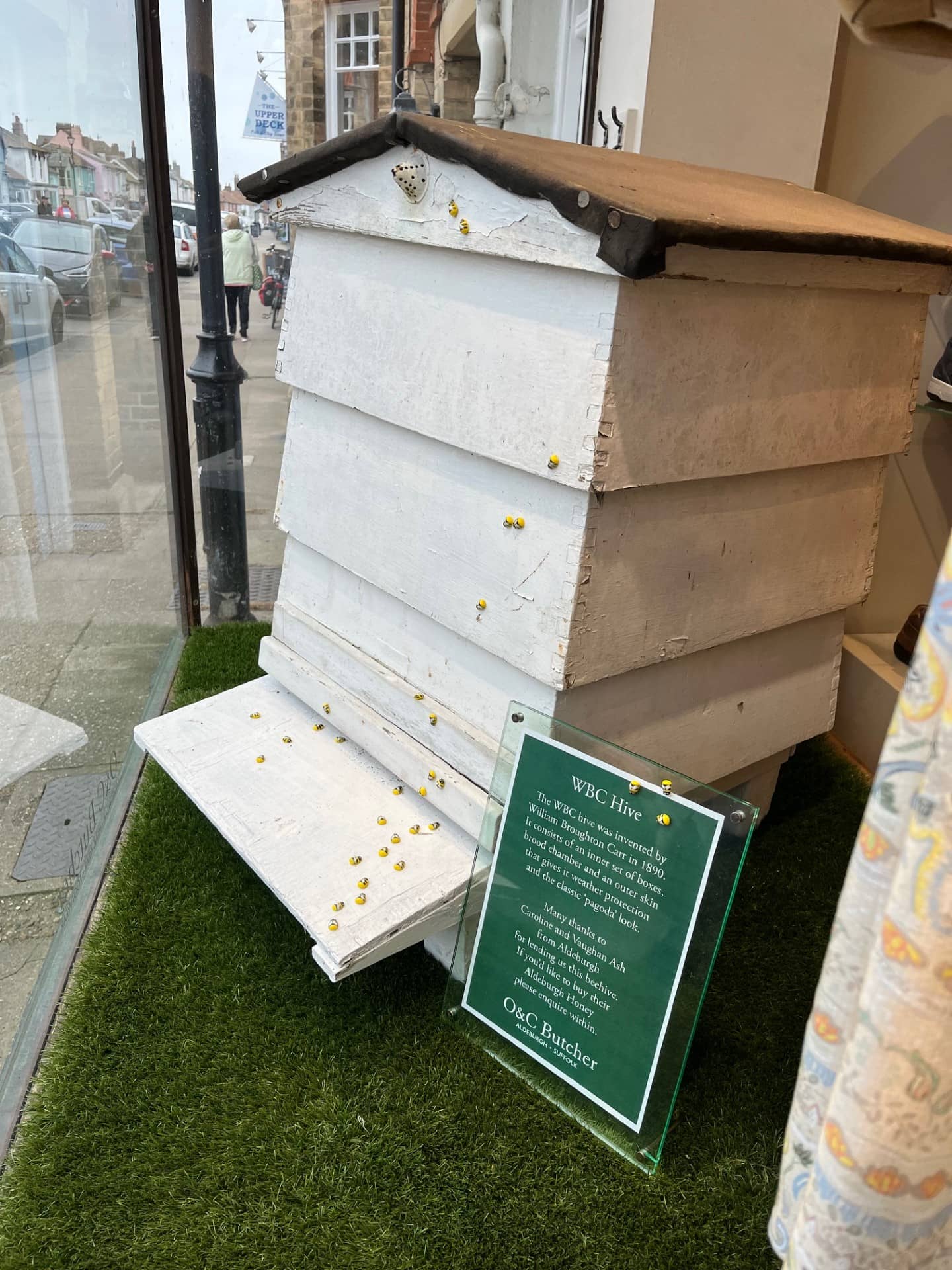
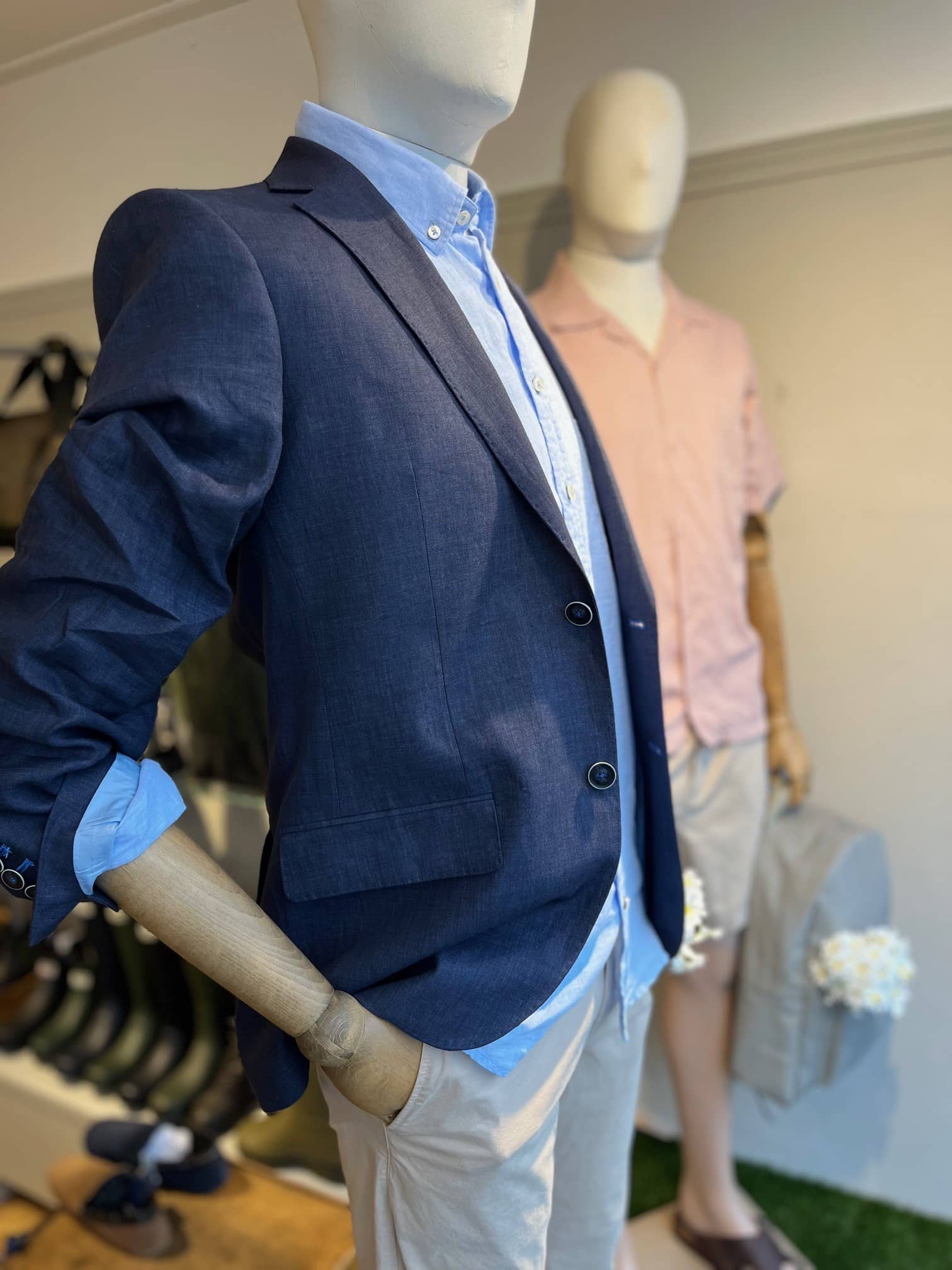
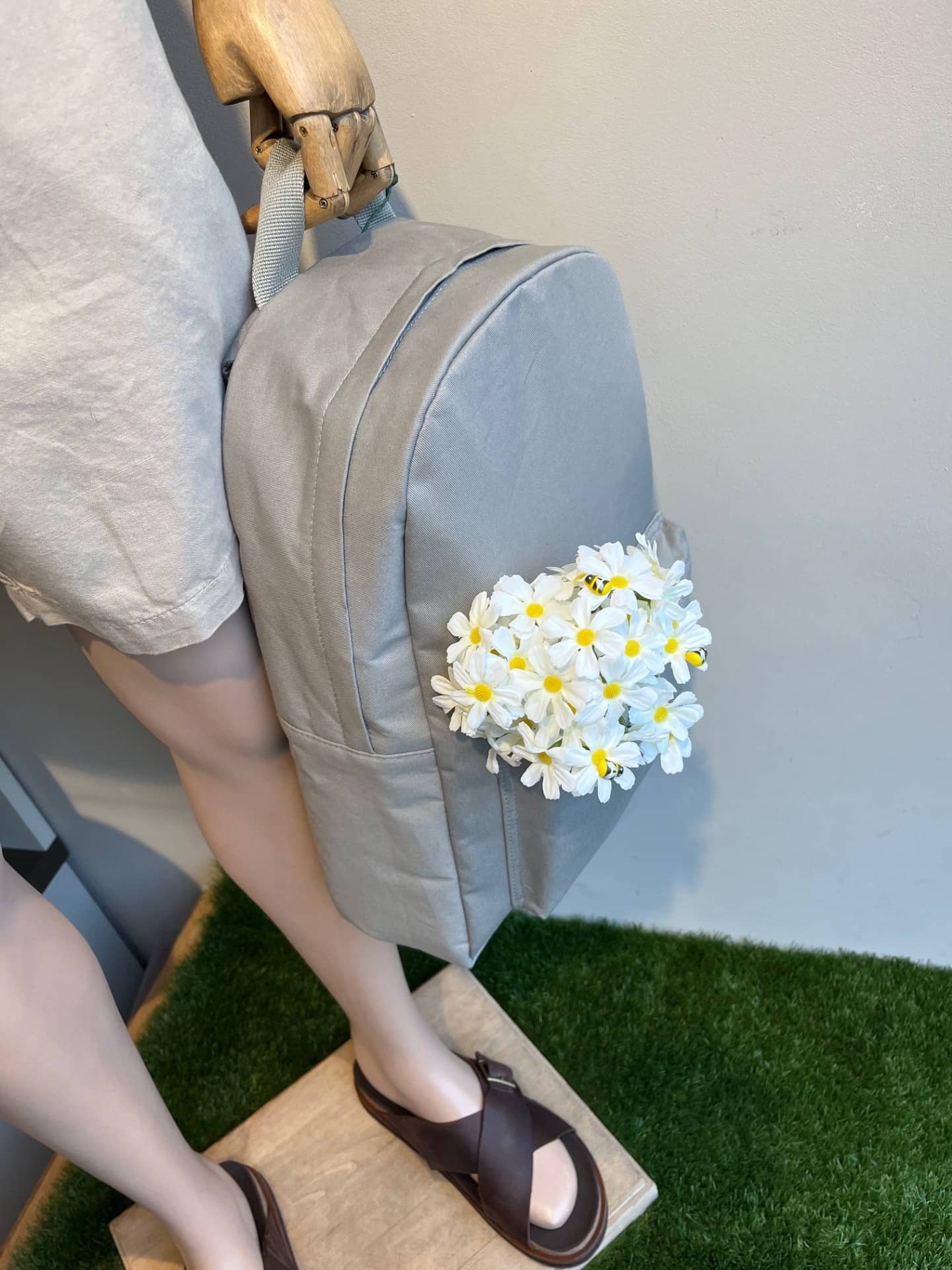
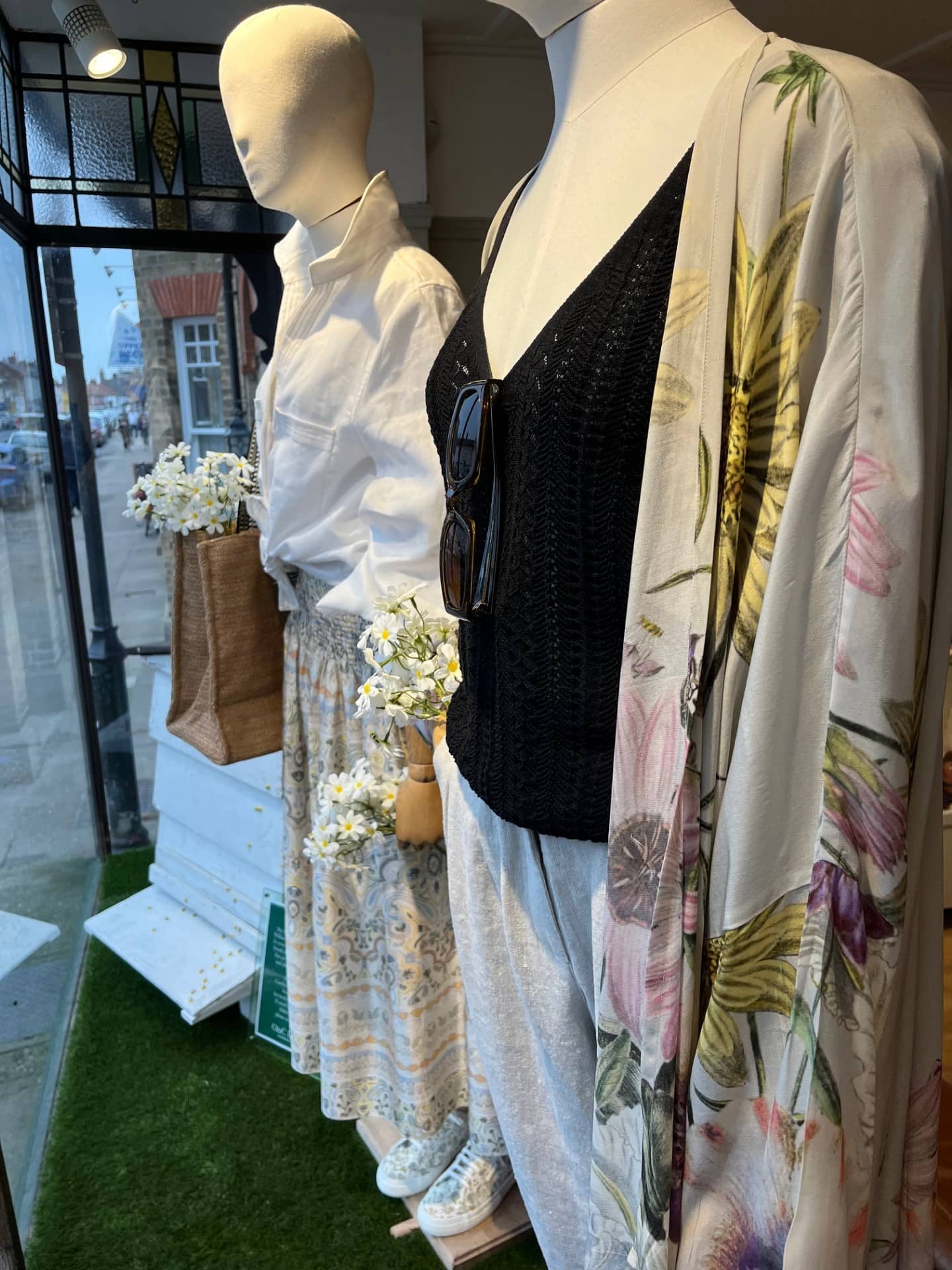
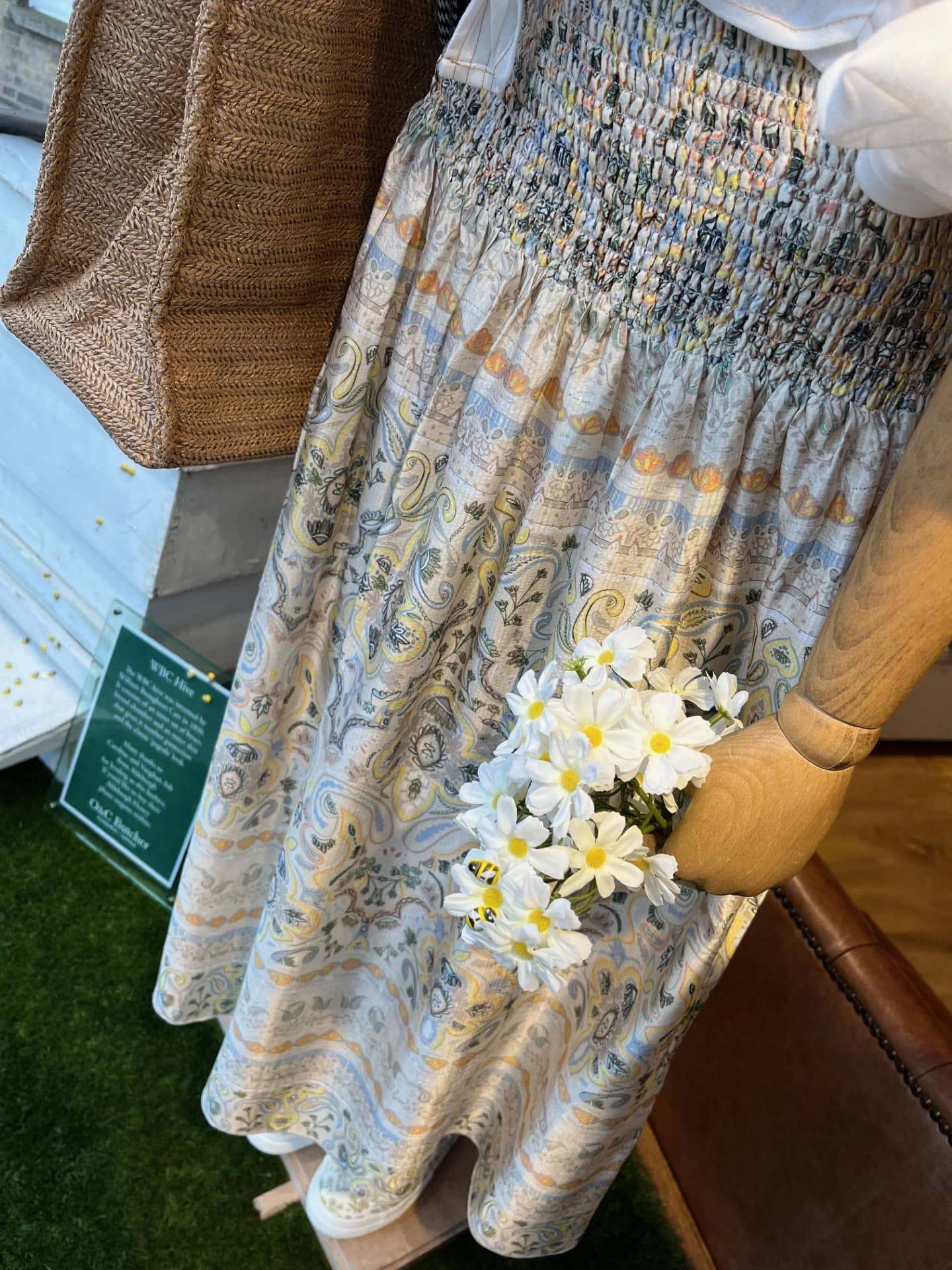
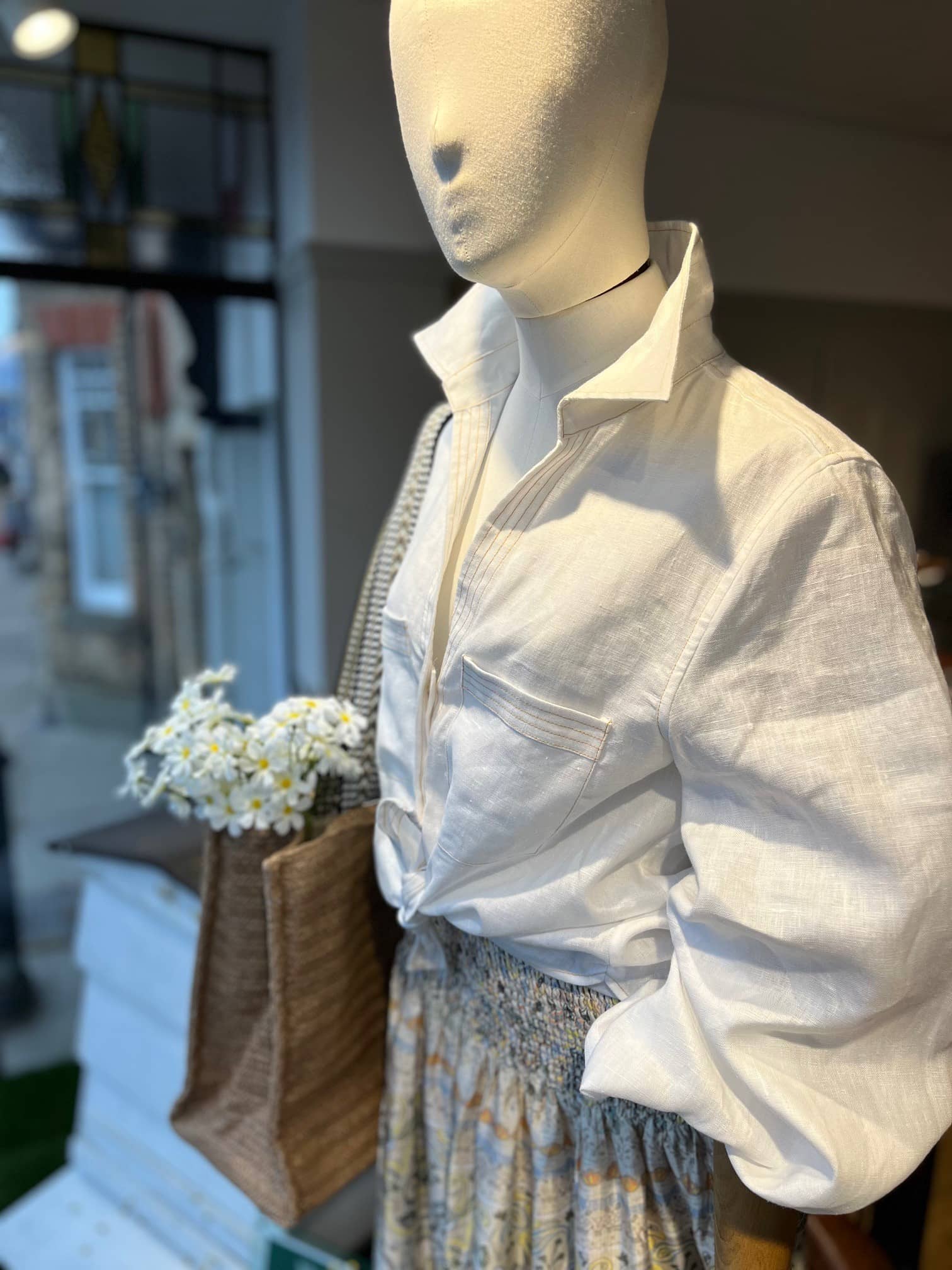
Of course we must mention the floral clothing in the window too. The Daisy Grande Kimono from One Hundred Stars is so pretty and a great piece for the summer. And then there's the Ivys Mimi Skirt from Mos Mosh - the beautiful print is also available in a blazer too.
Ten Facts about Bees:
- There are over 20,000 known species of bees worldwide, ranging from the well-known honeybee to solitary bees like the mason bee and bumblebees
- Bees play a crucial role in pollinating approximately 75% of the world’s flowering plants and about 35% of the world’s food crops, including fruits, vegetables, and nuts.
- Honeybees and some bumblebees live in highly organized colonies with a queen, workers, and drones. Each type of bee has specific roles, such as foraging for food, caring for the young, and protecting the hive.
- Honeybees use the “waggle dance” to communicate the location of food sources to other bees in the hive. The dance conveys information about the direction and distance to the flowers.
- Honeybees are the only insects that produce food eaten by humans. They convert nectar into honey, which serves as a long-term food source for the colony.
- Bees have excellent navigational abilities. They can remember landmarks, use the sun's position, and detect polarized light patterns to find their way back to the hive.
- A single honeybee can visit up to 5,000 flowers in a single day. Collectively, bees from one hive can travel over 55,000 miles and visit more than two million flowers to produce one pound of honey.
- Bees have specialized body parts like hairy bodies to collect pollen, and their wings beat around 200 times per second, enabling them to fly at speeds of up to 15 miles per hour.
- The lifespan of a bee depends on its role. Worker bees live for about six weeks during the busy summer months, while the queen can live for several years. Drones typically die after mating.
- Bees face numerous threats, including habitat loss, pesticides, diseases, and climate change. Conservation efforts are crucial to protect these vital pollinators. Planting bee-friendly flowers and reducing pesticide use can help support bee populations.
And it just so happens that tomorrow, Monday 20th May is World Bee Day so get planting those bee-friendly flowers and help to save the bees!